Butter & Brine Oysters from Portsmouth, RI
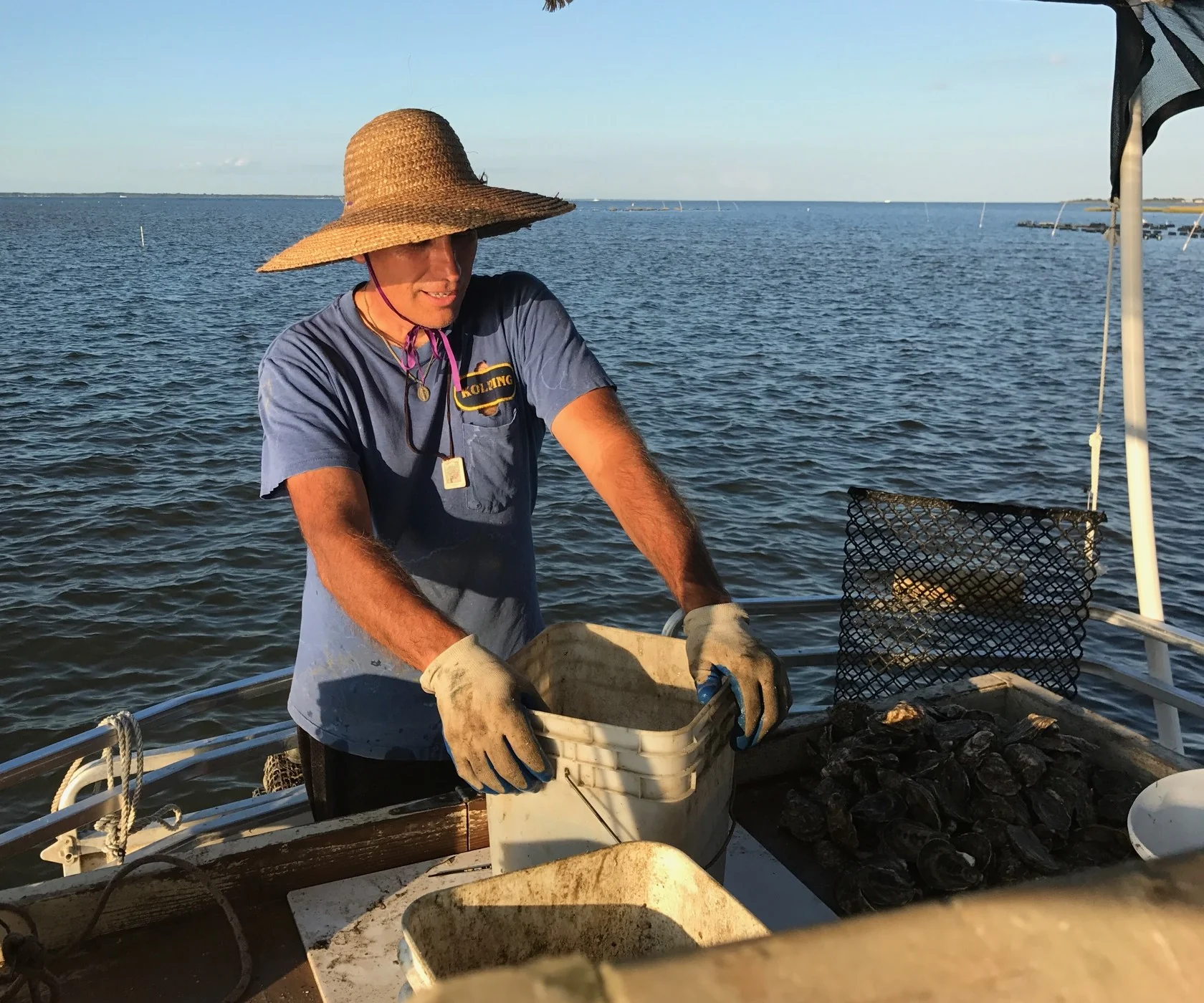
Farmer: Kyle Hess
Location: Portsmouth, RI
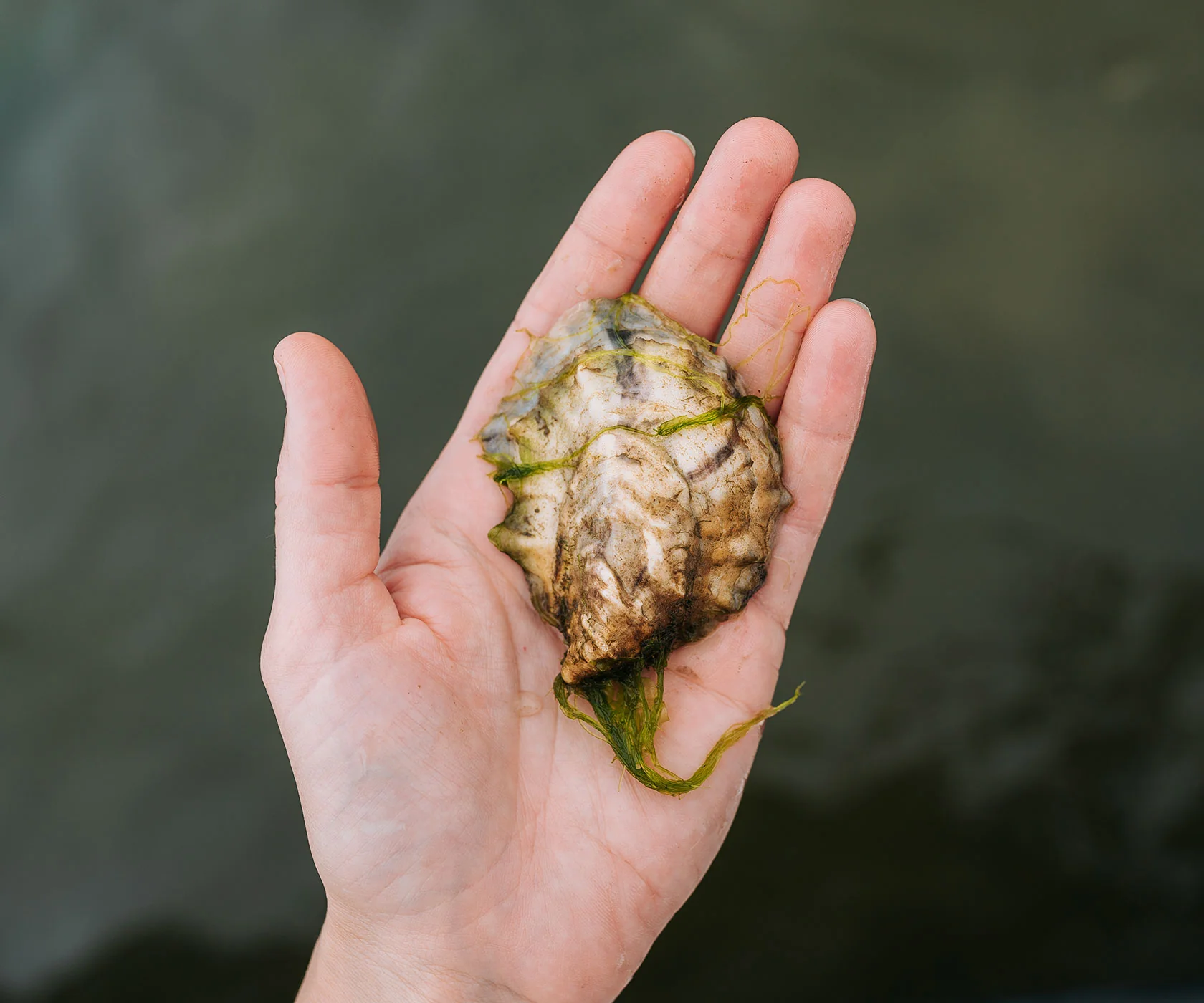
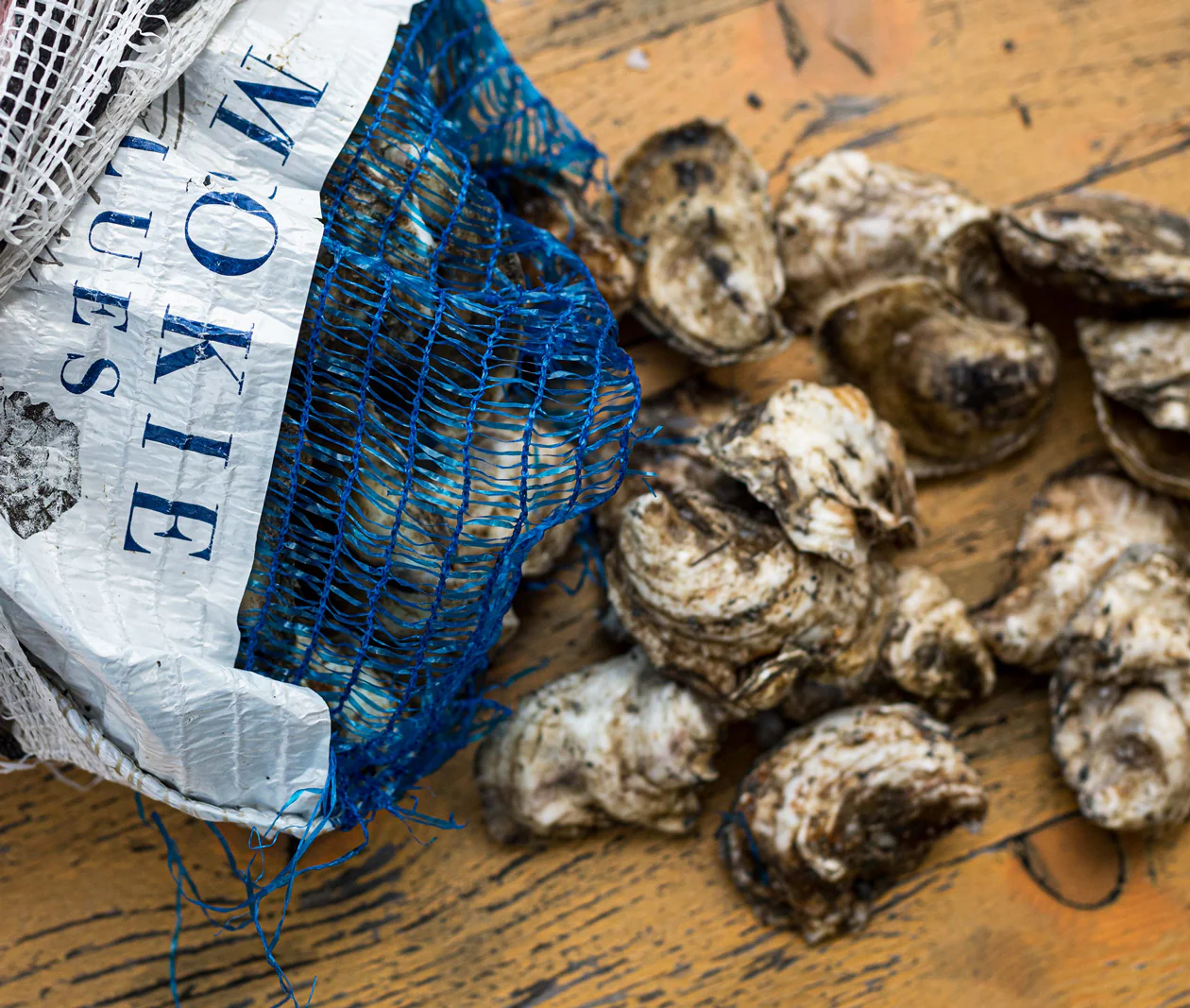
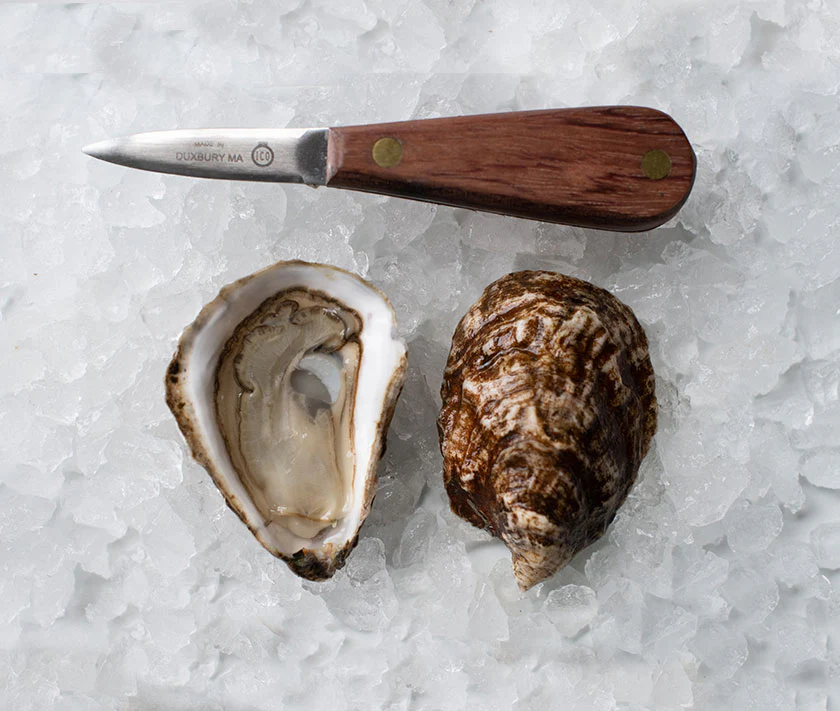
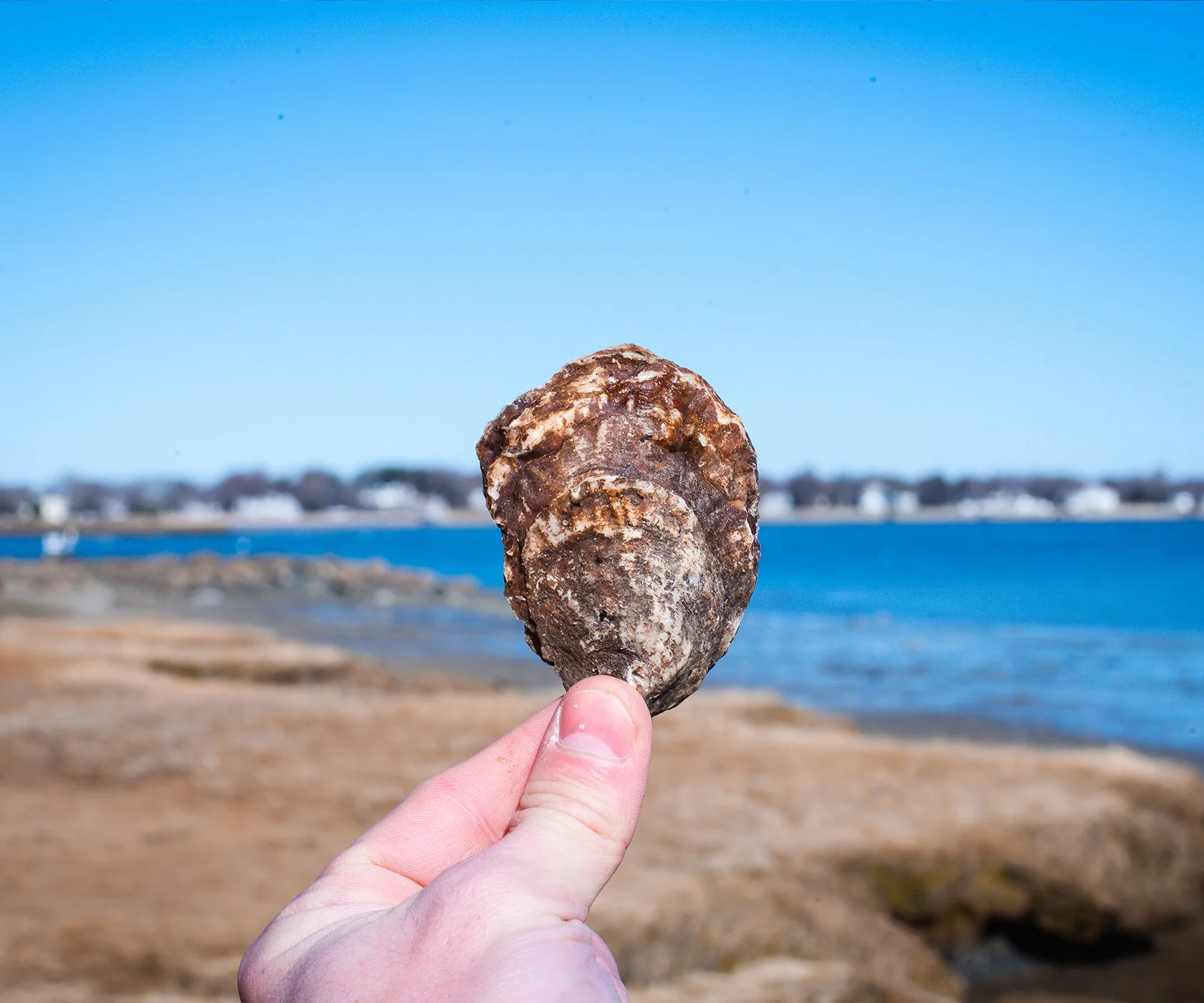
Size: 2.5"-3" on average
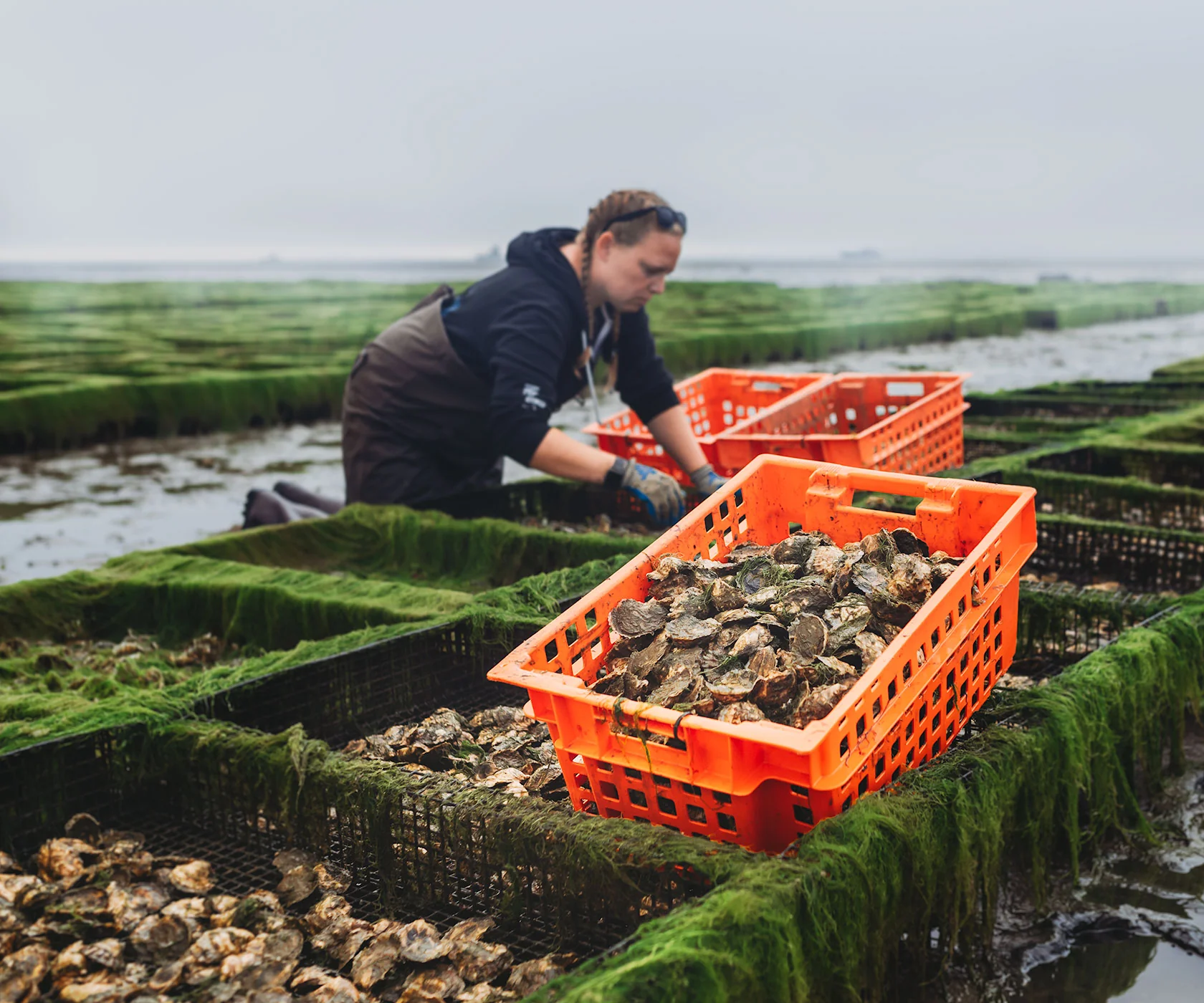
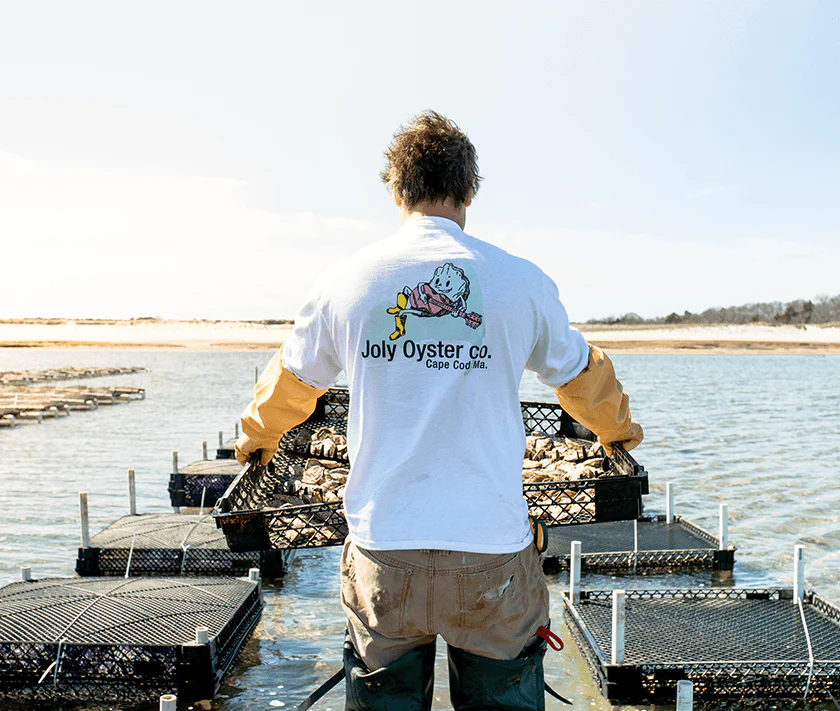
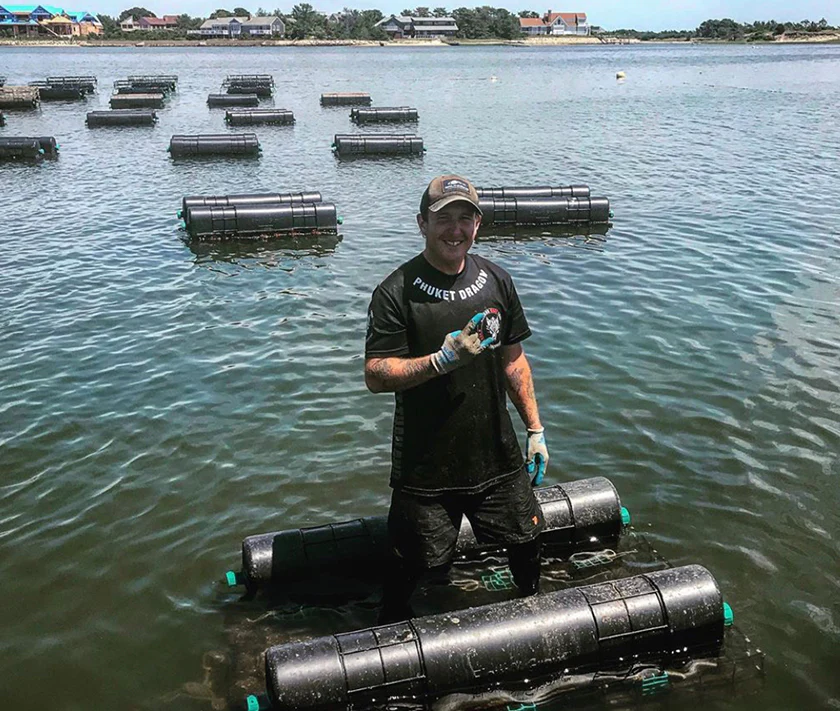
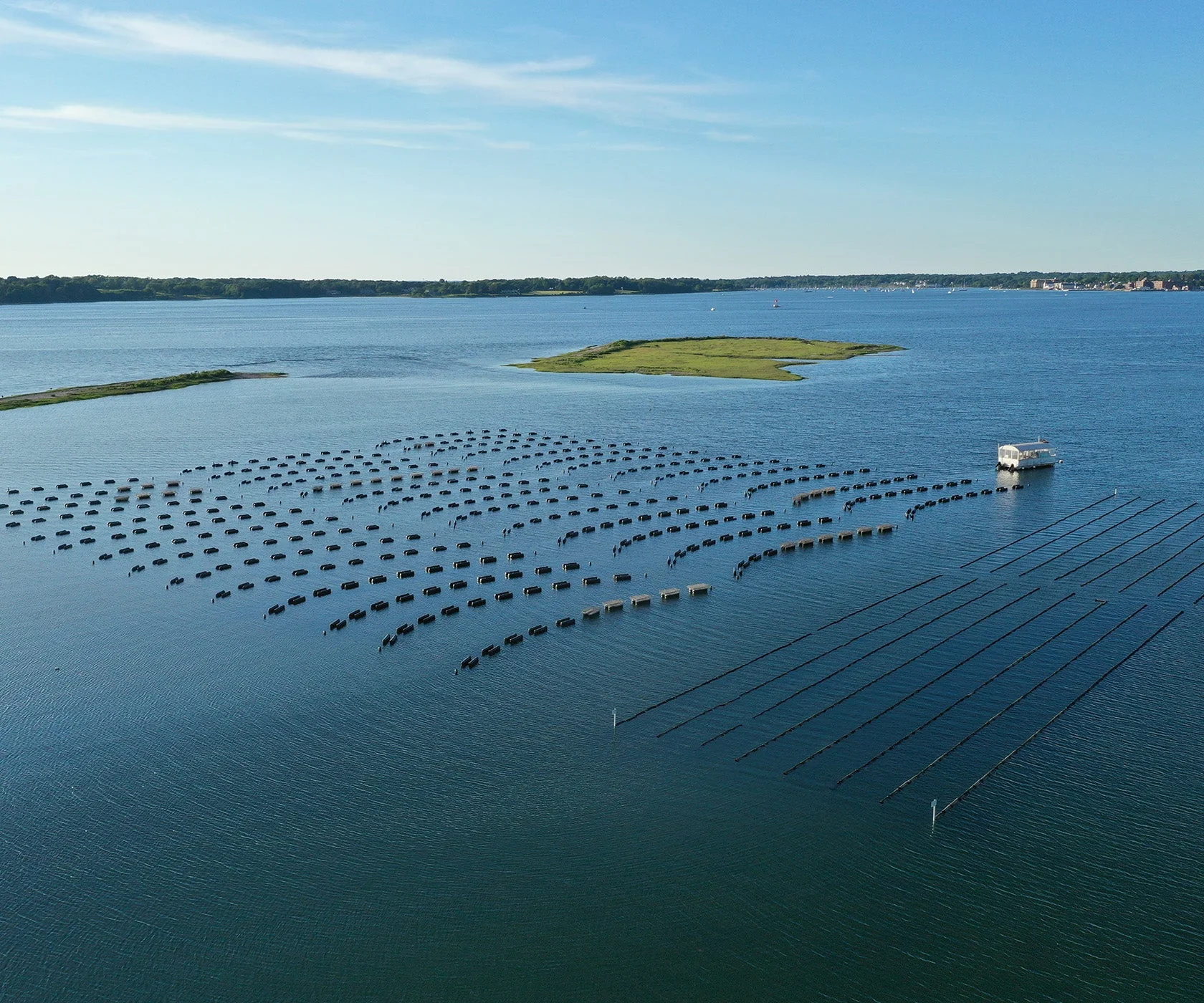
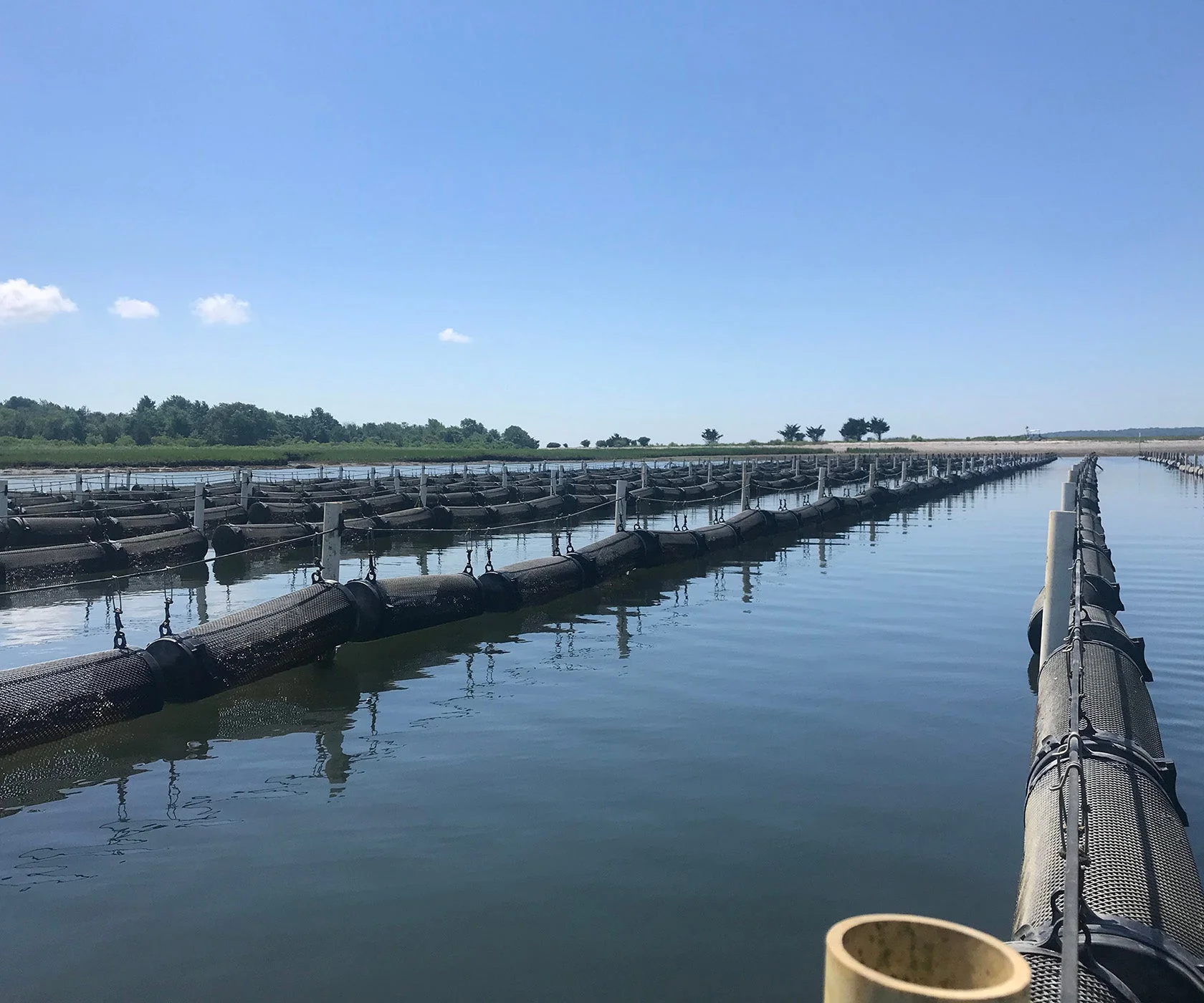
How they’re grown: Kyle and his crew of 2 grow their oysters in a small, protective cove that’s almost fully enclosed by a sandbar. They start in an upweller system before moving into different sized intertidal flip bags and floating cages suspended in the top few feet of the bay where the water is the warmest and the phytoplankton are populous. Suspending the cages contributes to a nutrient-rich environment and lots of food for a plumper, faster-growing oyster and also helps protect from unwanted predators chowing down on the oysters before we can get to ‘em. Since they hang out at the top of the water column, they get bumped and tumbled around in the current, which produces a tender meat, enhances the cup shape, and creates a stronger, thicker shell. The grow out process takes about 1.5-2 years.
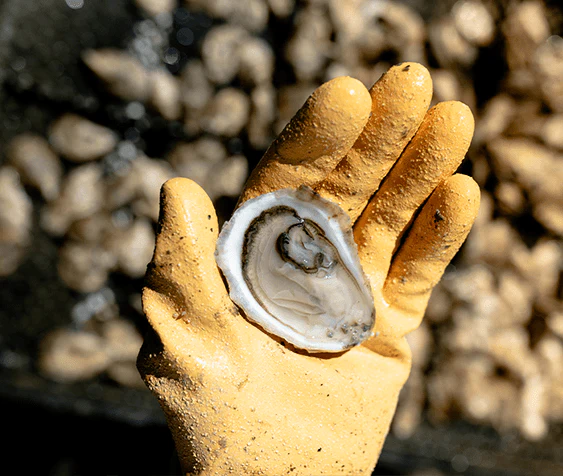
How they taste: Like the name suggests, they’re perfectly balanced with a splash of briny seawater up front and a creamy, freshly churned butter-like finish.
Why they’re unique: Butter & Brines are grown in a cove off of Hog Island, located in Narragansett Bay, where Kyle’s ancestors were some of the original settlers. This particular Hog Island is one of over 20 in the US–there are 5 in Maine alone! Legend has it that the name “hog” was the perfect three letter word for cartographers to write on a map for a small island that would still be legible.
Story: After completing an aquaculture course at Roger Williams University (under the tutelage of fellow oyster farmer Dale Leavitt), Kyle secured a lease in 2012 and started growing oysters…while still working a full-time desk job. With a background in engineering, Kyle’s farm is orderly and streamlined, and he even built a house on Hog Island so he’s never too far away from his farm and can always keep an eye on his bivalve kids. He loves the location of his “farm office” and being out on the water to handle his product as often as he can.
Original: $140.00
-65%$140.00
$49.00Product Information
Product Information
Shipping & Returns
Shipping & Returns
Description
Farmer: Kyle Hess
Location: Portsmouth, RI
Size: 2.5"-3" on average
How they’re grown: Kyle and his crew of 2 grow their oysters in a small, protective cove that’s almost fully enclosed by a sandbar. They start in an upweller system before moving into different sized intertidal flip bags and floating cages suspended in the top few feet of the bay where the water is the warmest and the phytoplankton are populous. Suspending the cages contributes to a nutrient-rich environment and lots of food for a plumper, faster-growing oyster and also helps protect from unwanted predators chowing down on the oysters before we can get to ‘em. Since they hang out at the top of the water column, they get bumped and tumbled around in the current, which produces a tender meat, enhances the cup shape, and creates a stronger, thicker shell. The grow out process takes about 1.5-2 years.
How they taste: Like the name suggests, they’re perfectly balanced with a splash of briny seawater up front and a creamy, freshly churned butter-like finish.
Why they’re unique: Butter & Brines are grown in a cove off of Hog Island, located in Narragansett Bay, where Kyle’s ancestors were some of the original settlers. This particular Hog Island is one of over 20 in the US–there are 5 in Maine alone! Legend has it that the name “hog” was the perfect three letter word for cartographers to write on a map for a small island that would still be legible.
Story: After completing an aquaculture course at Roger Williams University (under the tutelage of fellow oyster farmer Dale Leavitt), Kyle secured a lease in 2012 and started growing oysters…while still working a full-time desk job. With a background in engineering, Kyle’s farm is orderly and streamlined, and he even built a house on Hog Island so he’s never too far away from his farm and can always keep an eye on his bivalve kids. He loves the location of his “farm office” and being out on the water to handle his product as often as he can.