Emily's Oysters from South Freeport, ME
Available for a limited time only.
Farmer: Emily Selinger
Location: South Freeport, Maine
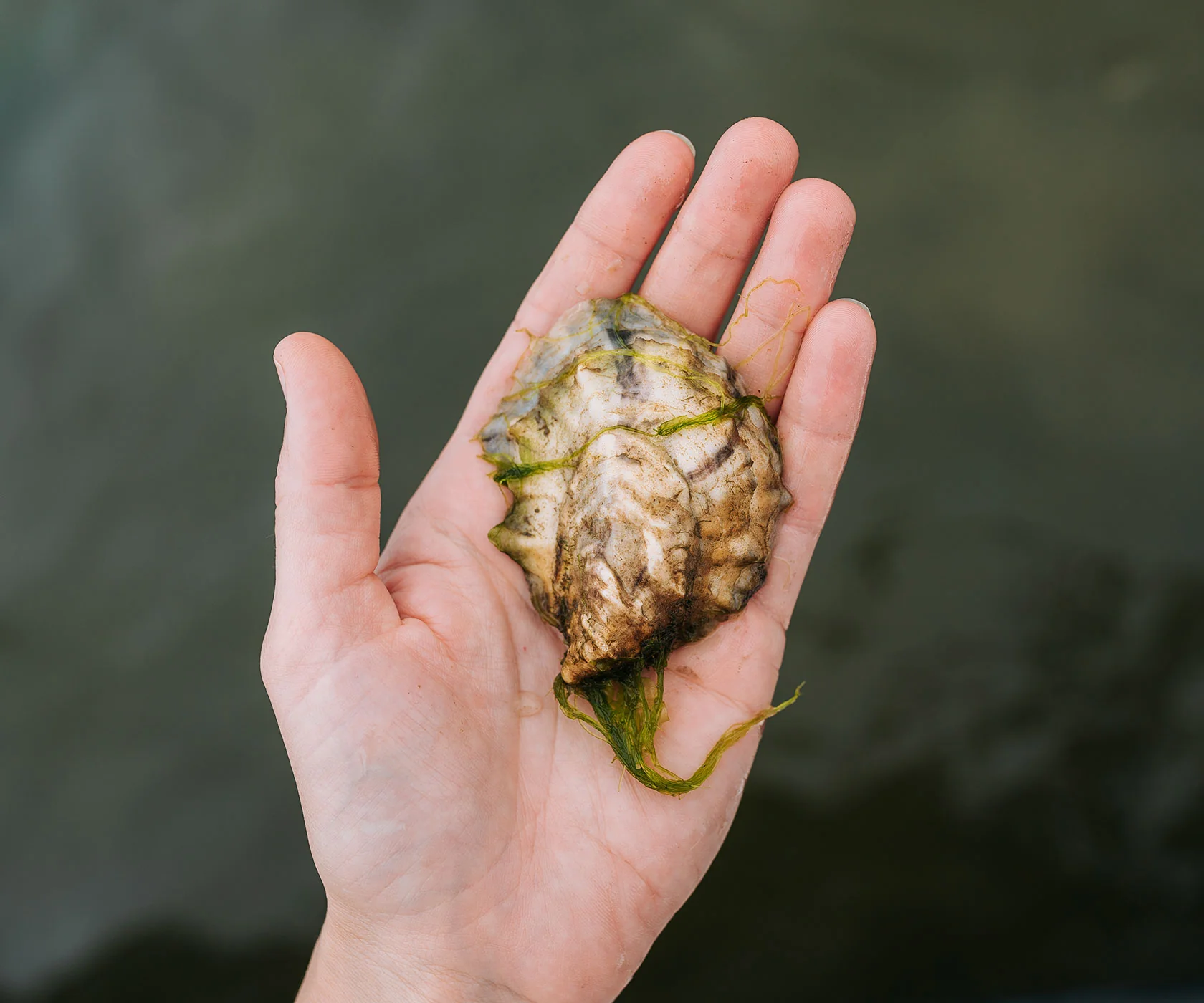
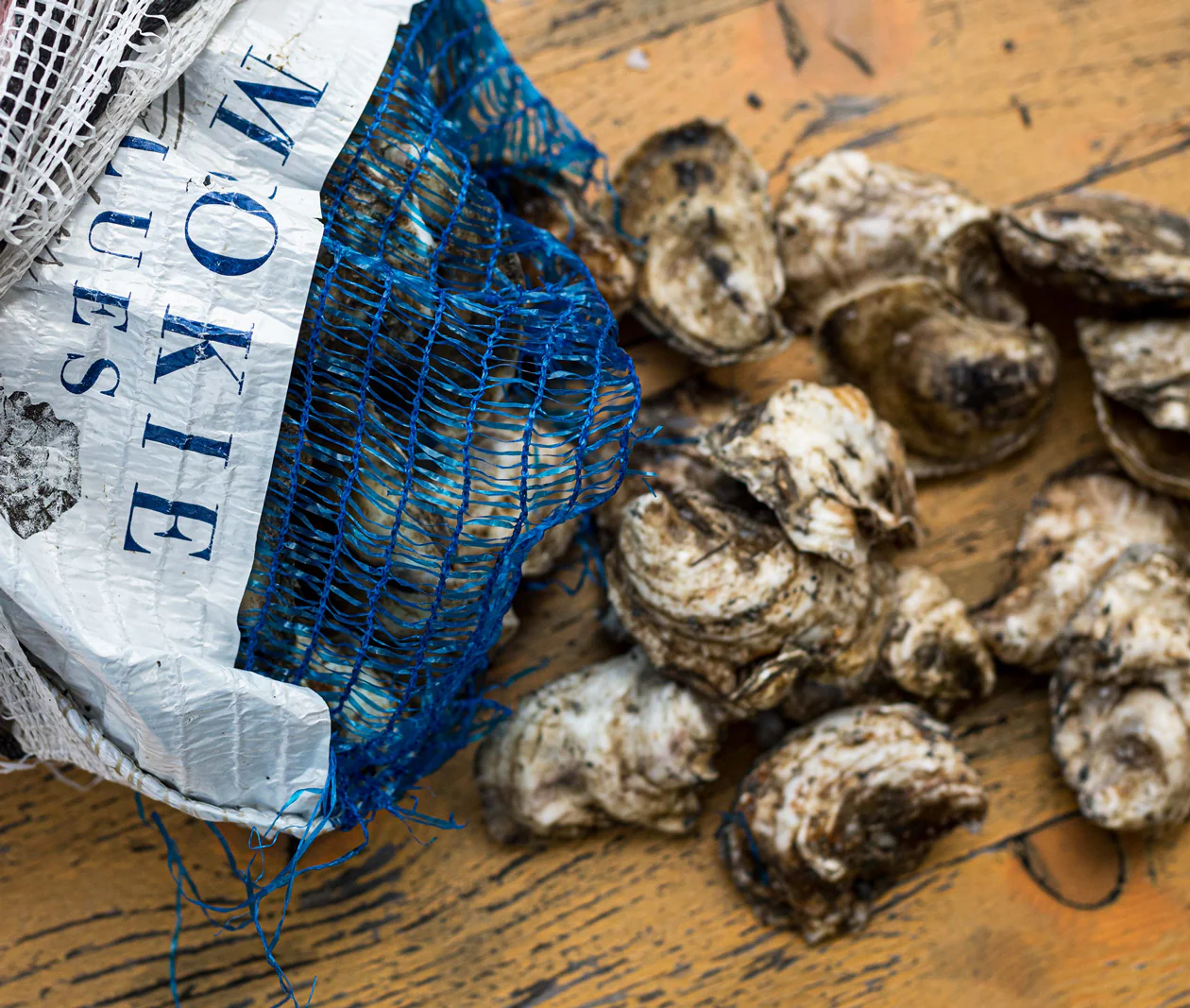
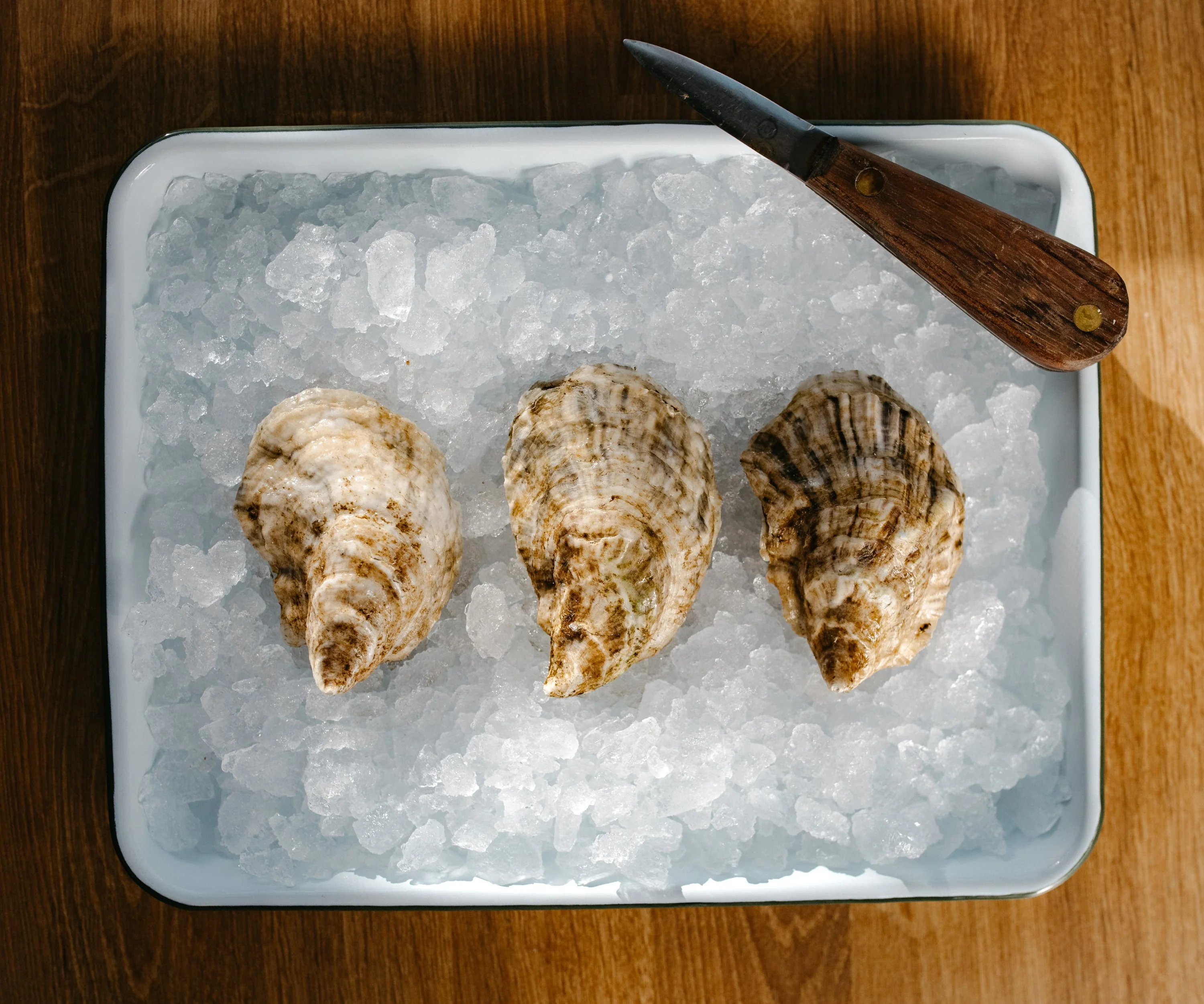
Size: 3"
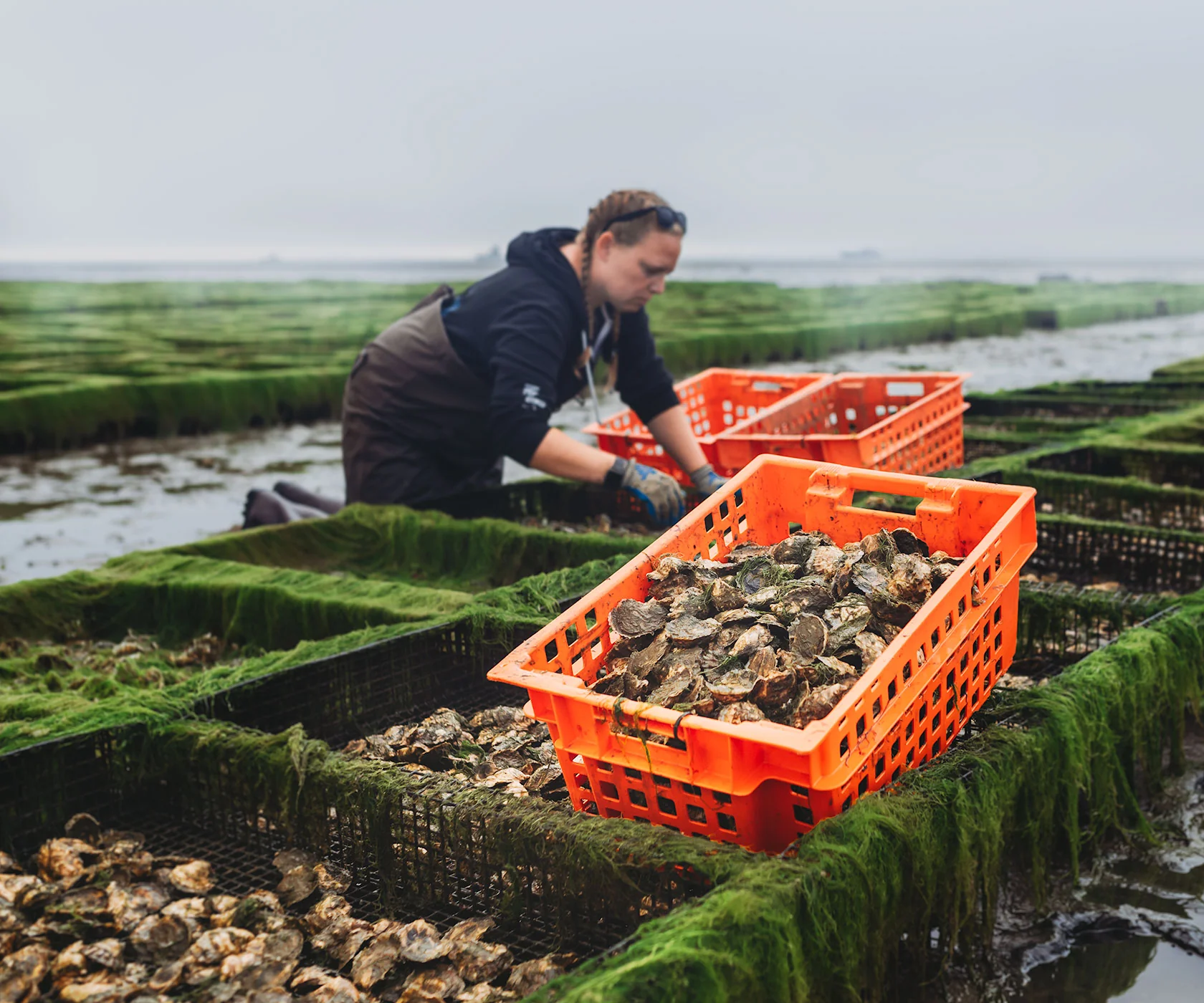
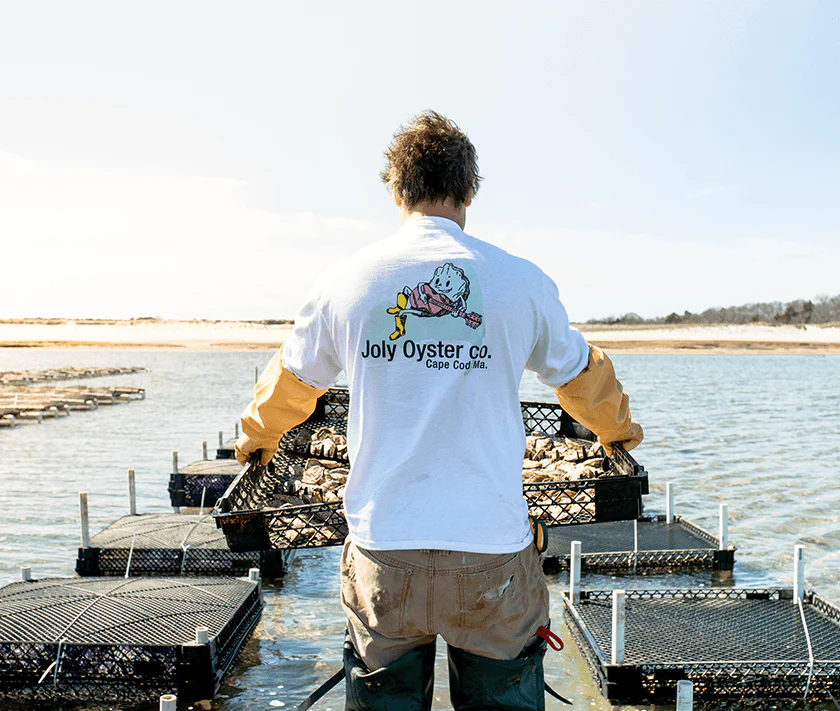
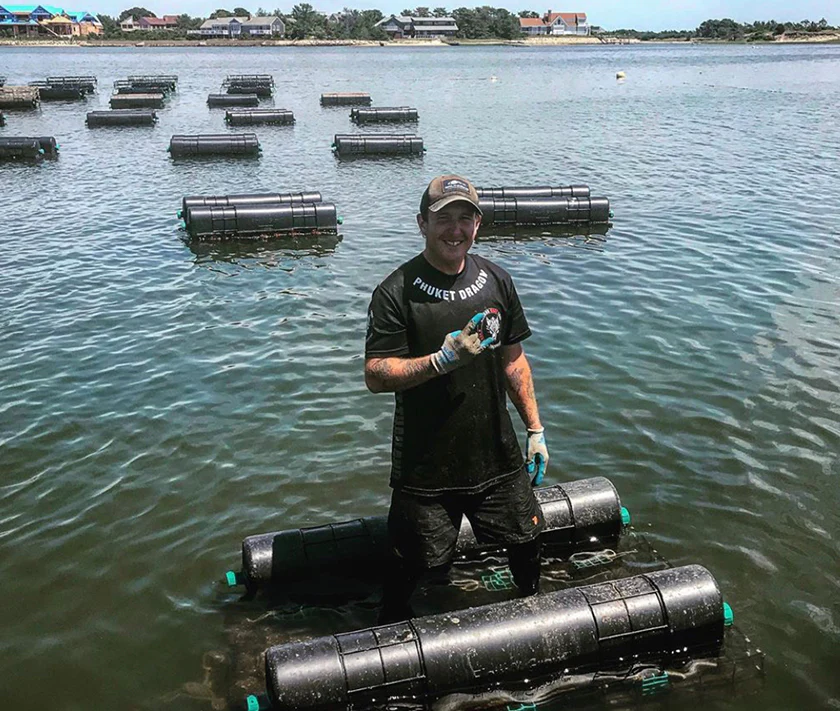
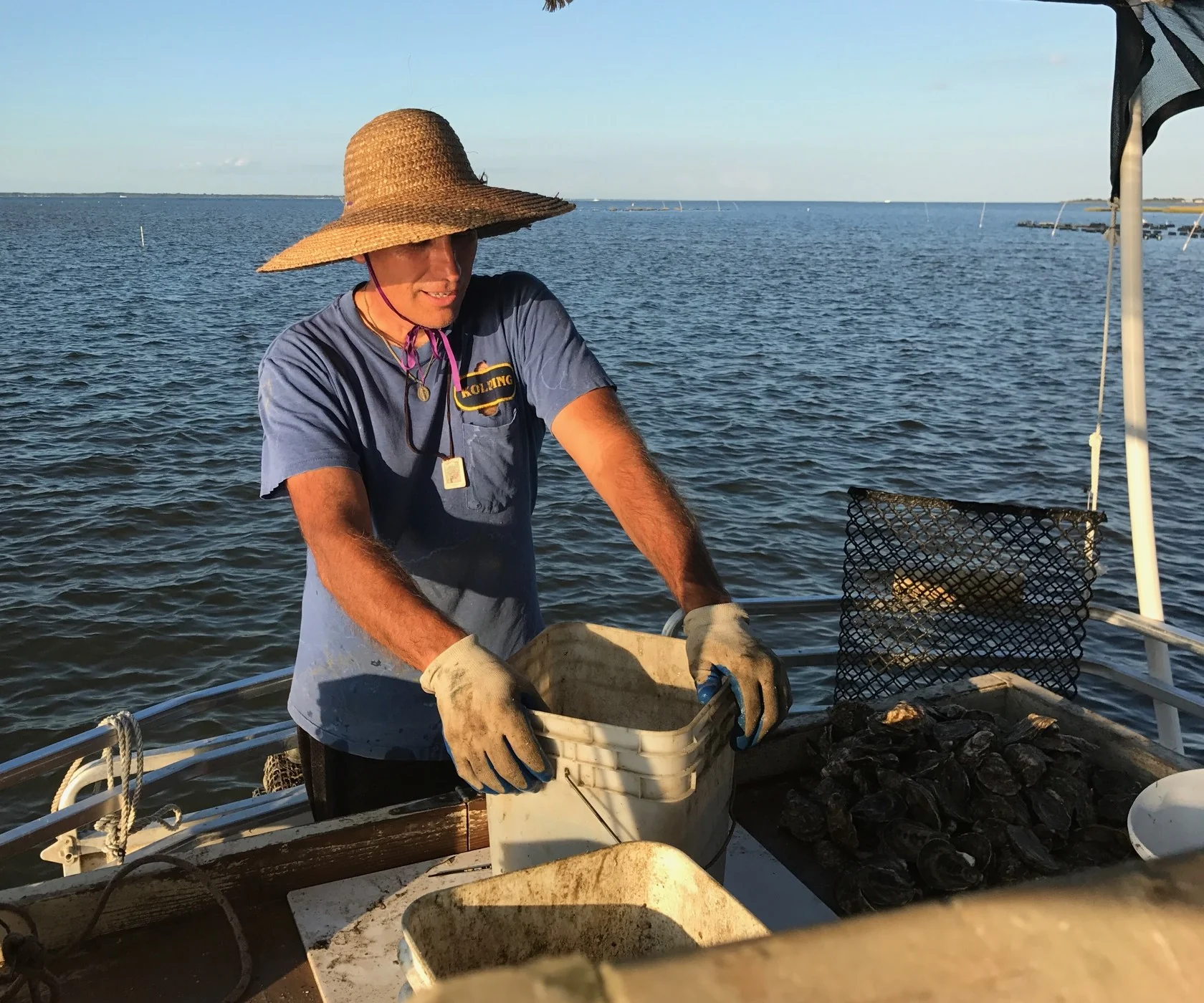
How They’re Grown: Emily's oysters spend their first chapter of their lives in floating bags on the surface for most of the year, before being sunk to the bottom for the coldest months. Once big enough to fend for themselves, they are moved into either bottom cages or directly planted onto the bottom to finish their grow-out (just like Island Creeks). Emily uses very little equipment in her farming processes, relying mostly on the abundant wave action of her site to take care of the tumbling.
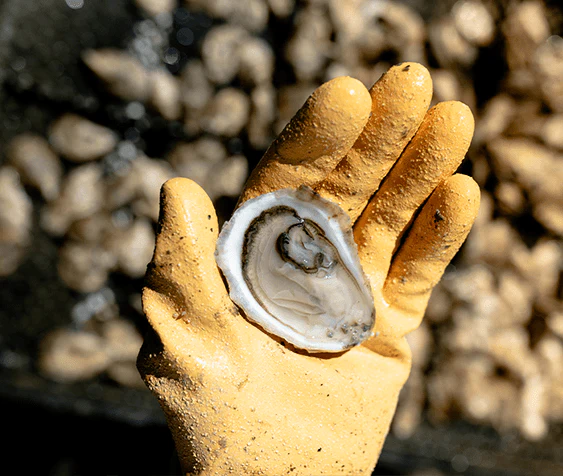
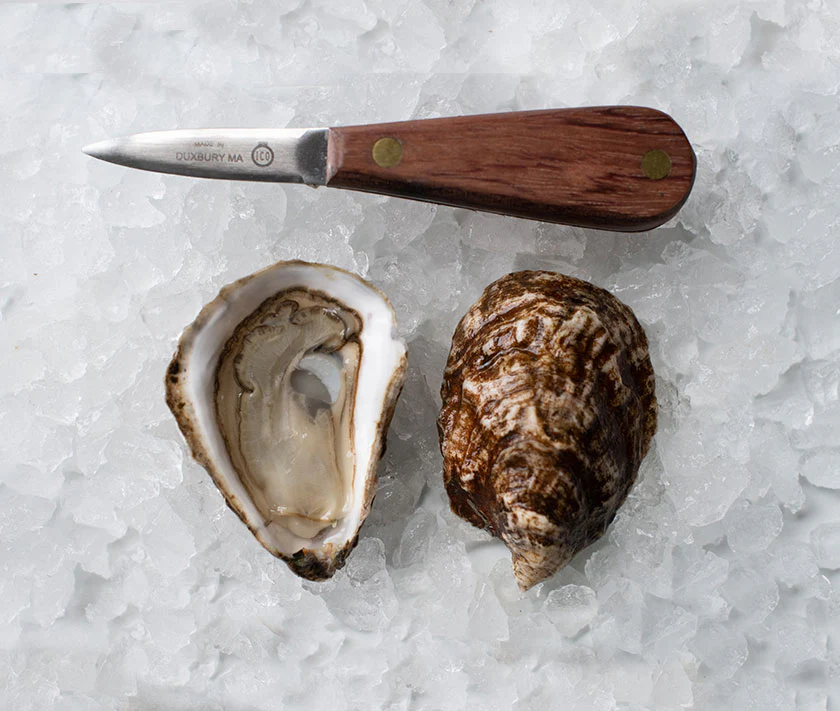
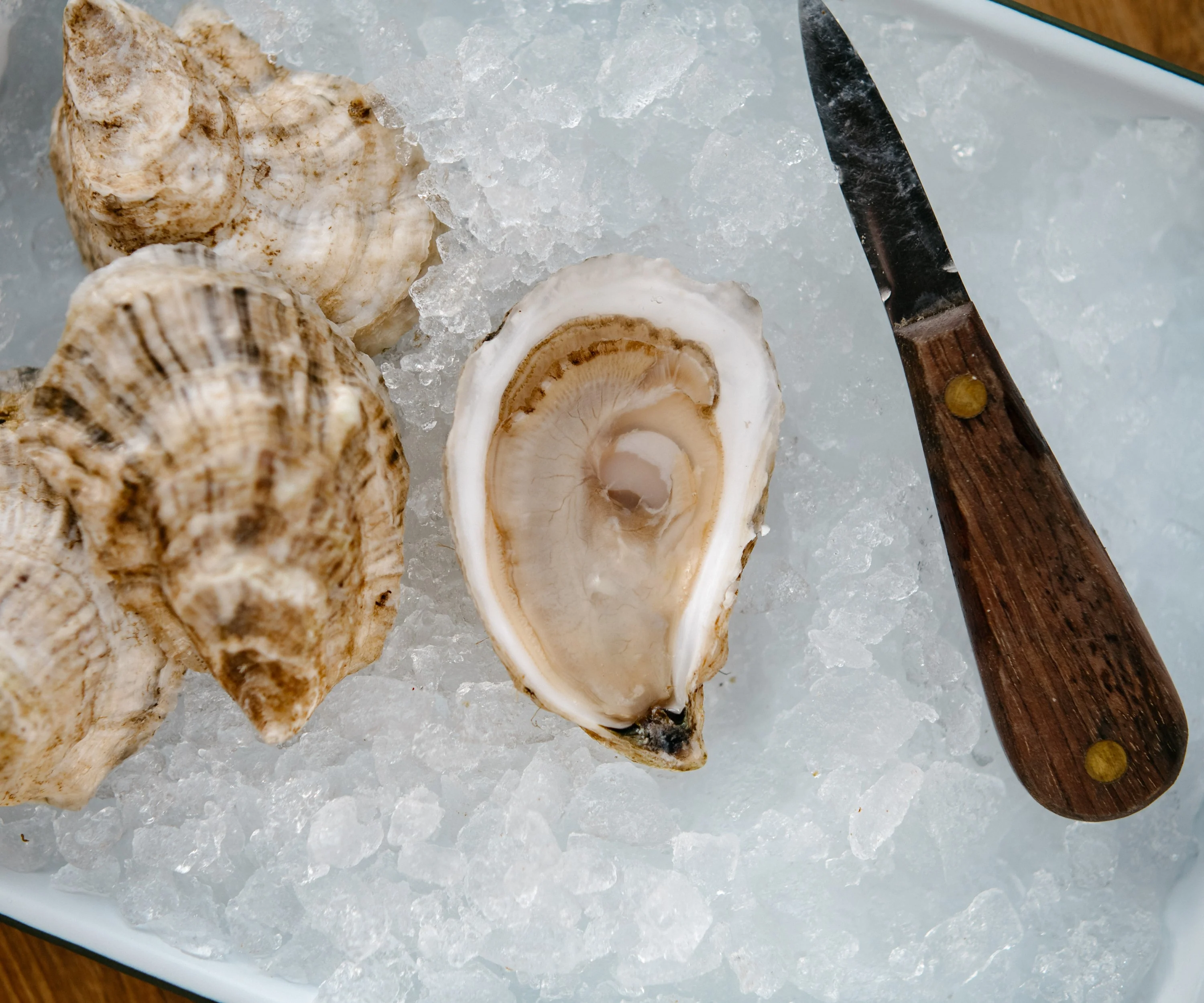
How They Taste: We're not supposed to play favorites but dang, this is one tasty oyster. Consistent, clean, hardy shells are a breeze to shuck; revealing plump, opaque meats. A bright and briny surge of cold Maine seawater brimming with salt and kelp. Nutty nutritional yeast with clarified butter rounds the journey out like a lightly savory golden halo.
Why They’re Unique: The farm is located at the mouth of the Harraseeket River on Casco Bay - a region with a deep history of thriving wild shellfish populations that likely sustained the Indigenous people in the surrounding areas. Exposure to prevailing wind and constant tumbling in smaller floating gear makes for a nicely shaped, stronger shell. The farm's location at the mouth of a river and salt marsh estuary, coupled with the exposure at low tide, provides a bounty of nutrients and clean water, which we Oyster UniversityTM students know creates a bright, complex flavor profile.
Story: Emily says it best herself, "l started farming in 2017, sort of by accident. At the time I was transitioning away from a previous career working as a professional sailor on traditional vessels, in part because I missed having a home in Maine [l grew up in Freeport, but work of that nature takes you far and wide and makes it hard to maintain a home base outside of the vessel you're working on]. I stumbled into my first hands-on experience with small-scale oyster aquaculture through a friend I made when I first moved back home, who took me out to see her operation. From day one I was captivated by oyster farming, saw that I had a lot of transferable skills from my years on boats, had a lot of local knowledge and connections from growing up and spending my childhood on Casco Bay that would make the upstart of my own farm a real possibility. I saw in it a perfect way to continue to work on the water in a more sustainability-minded way, while also building a career for myself in Maine."
California Prop 65 Warning
Original: $137.00
-65%$137.00
$47.95Product Information
Product Information
Shipping & Returns
Shipping & Returns
Description
Available for a limited time only.
Farmer: Emily Selinger
Location: South Freeport, Maine
Size: 3"
How They’re Grown: Emily's oysters spend their first chapter of their lives in floating bags on the surface for most of the year, before being sunk to the bottom for the coldest months. Once big enough to fend for themselves, they are moved into either bottom cages or directly planted onto the bottom to finish their grow-out (just like Island Creeks). Emily uses very little equipment in her farming processes, relying mostly on the abundant wave action of her site to take care of the tumbling.
How They Taste: We're not supposed to play favorites but dang, this is one tasty oyster. Consistent, clean, hardy shells are a breeze to shuck; revealing plump, opaque meats. A bright and briny surge of cold Maine seawater brimming with salt and kelp. Nutty nutritional yeast with clarified butter rounds the journey out like a lightly savory golden halo.
Why They’re Unique: The farm is located at the mouth of the Harraseeket River on Casco Bay - a region with a deep history of thriving wild shellfish populations that likely sustained the Indigenous people in the surrounding areas. Exposure to prevailing wind and constant tumbling in smaller floating gear makes for a nicely shaped, stronger shell. The farm's location at the mouth of a river and salt marsh estuary, coupled with the exposure at low tide, provides a bounty of nutrients and clean water, which we Oyster UniversityTM students know creates a bright, complex flavor profile.
Story: Emily says it best herself, "l started farming in 2017, sort of by accident. At the time I was transitioning away from a previous career working as a professional sailor on traditional vessels, in part because I missed having a home in Maine [l grew up in Freeport, but work of that nature takes you far and wide and makes it hard to maintain a home base outside of the vessel you're working on]. I stumbled into my first hands-on experience with small-scale oyster aquaculture through a friend I made when I first moved back home, who took me out to see her operation. From day one I was captivated by oyster farming, saw that I had a lot of transferable skills from my years on boats, had a lot of local knowledge and connections from growing up and spending my childhood on Casco Bay that would make the upstart of my own farm a real possibility. I saw in it a perfect way to continue to work on the water in a more sustainability-minded way, while also building a career for myself in Maine."
California Prop 65 Warning