Snow Island Oysters from Quahog Bay, Harpswell, ME
Available for a limited time only.
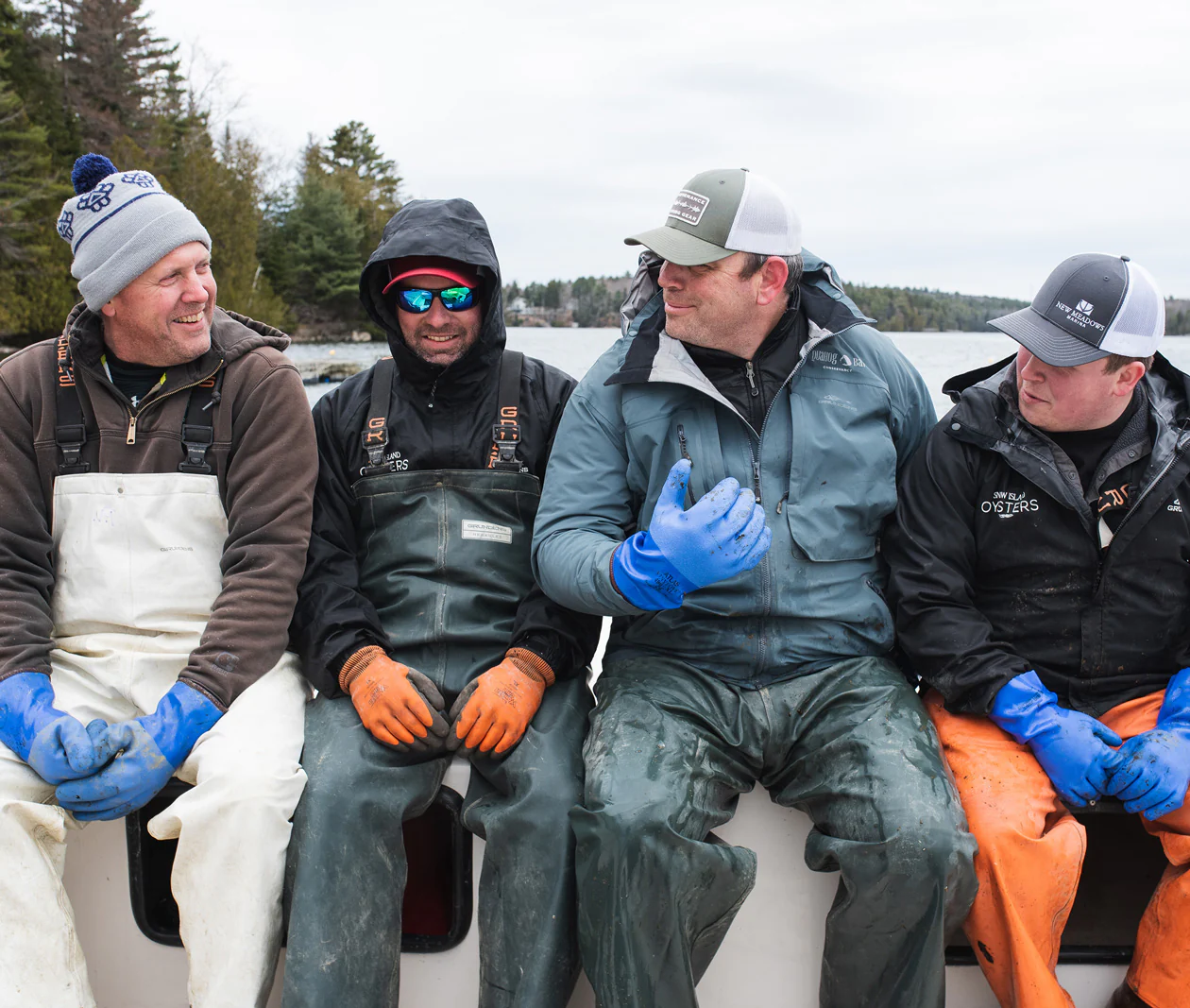
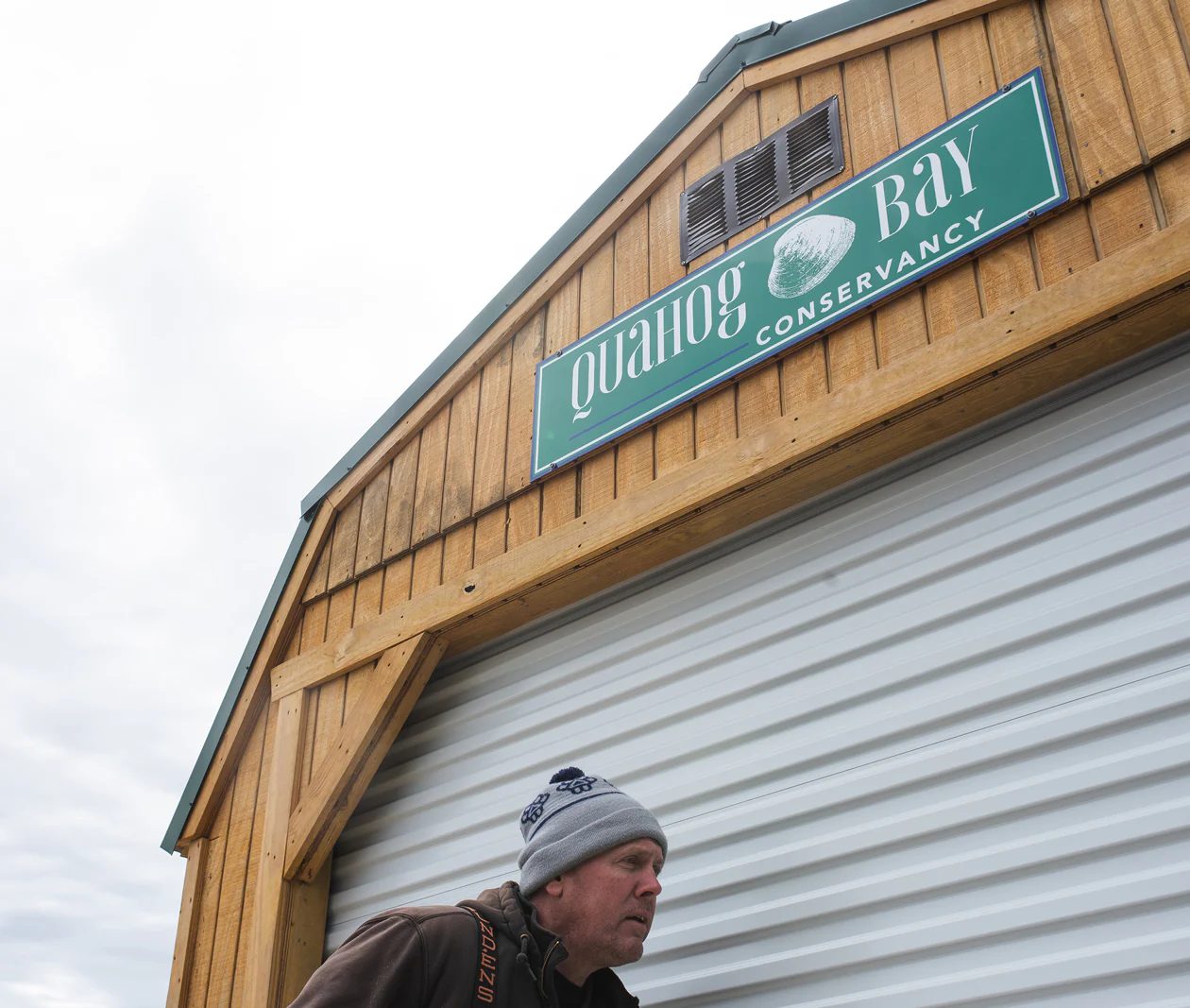
Farmer: Quahog Bay Conservancy
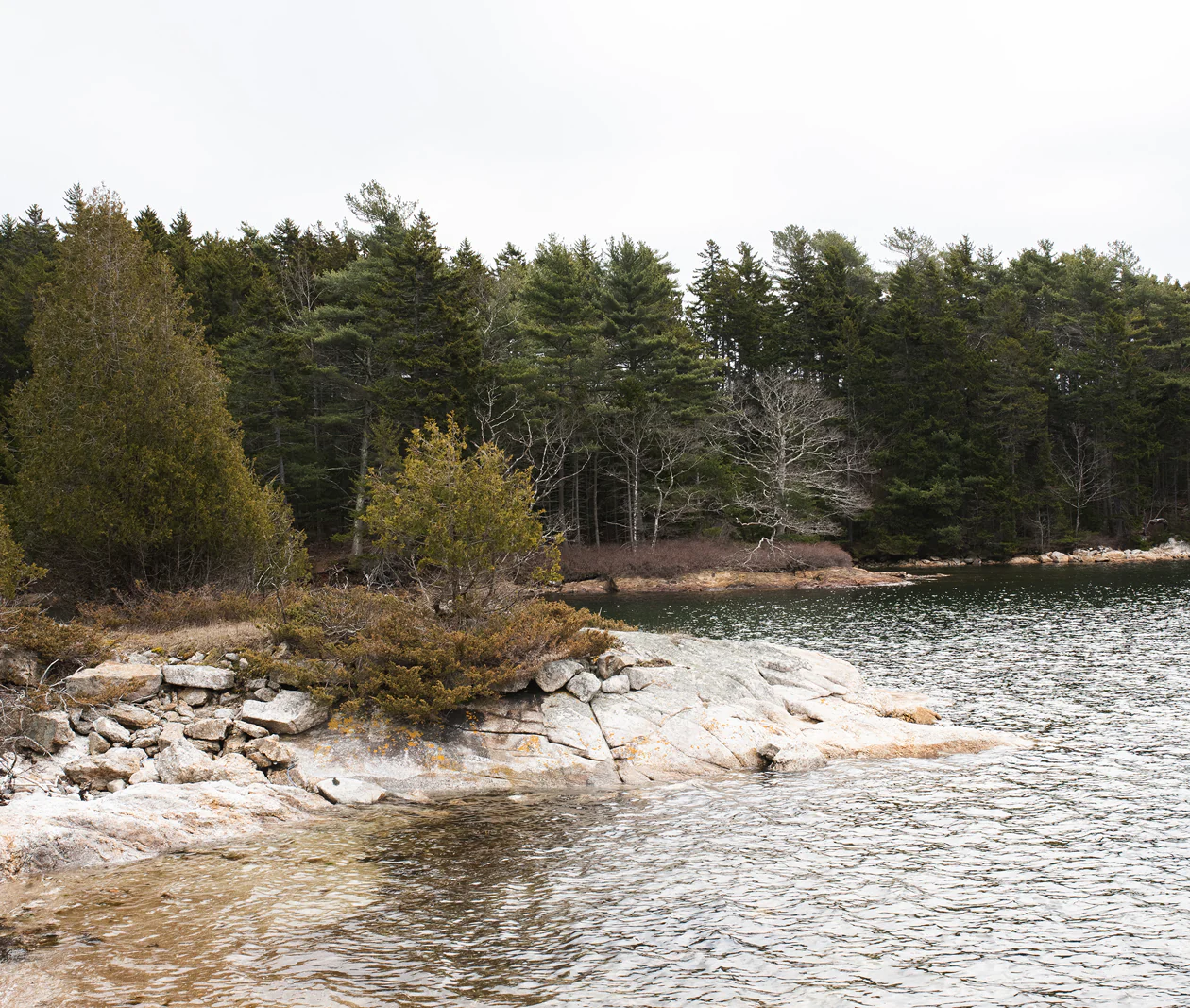
Location: Quahog Bay, Harpswell, ME
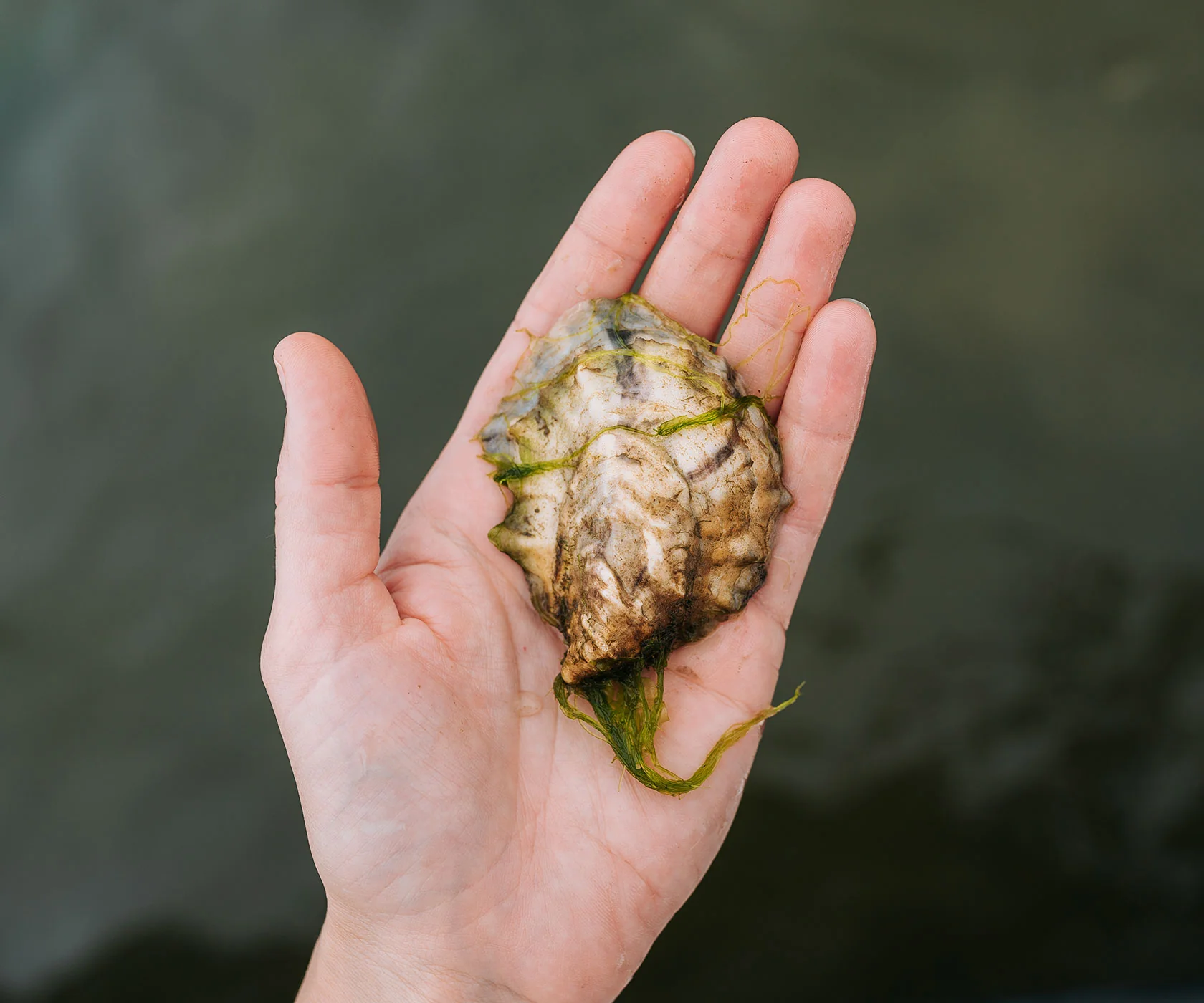
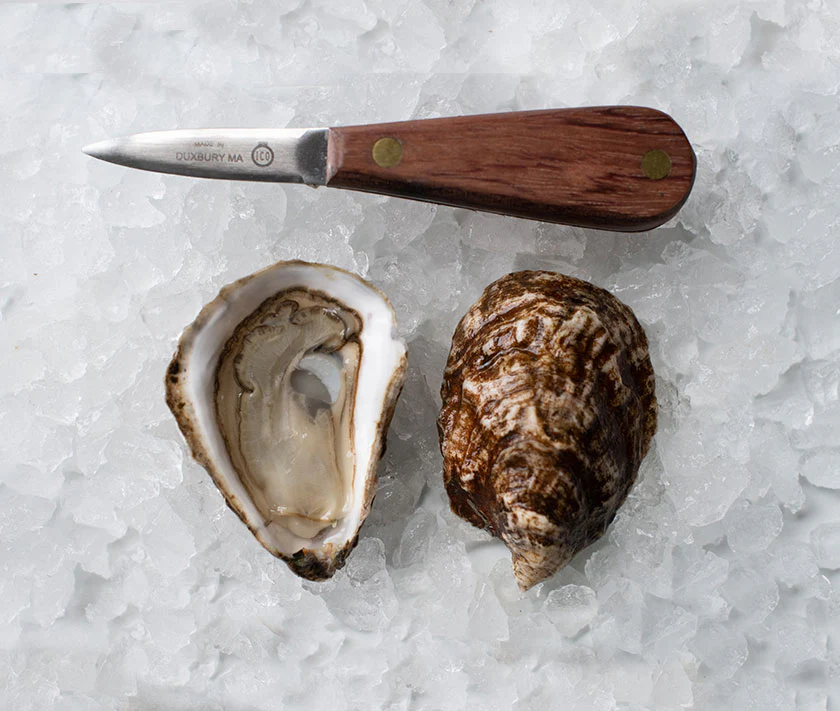
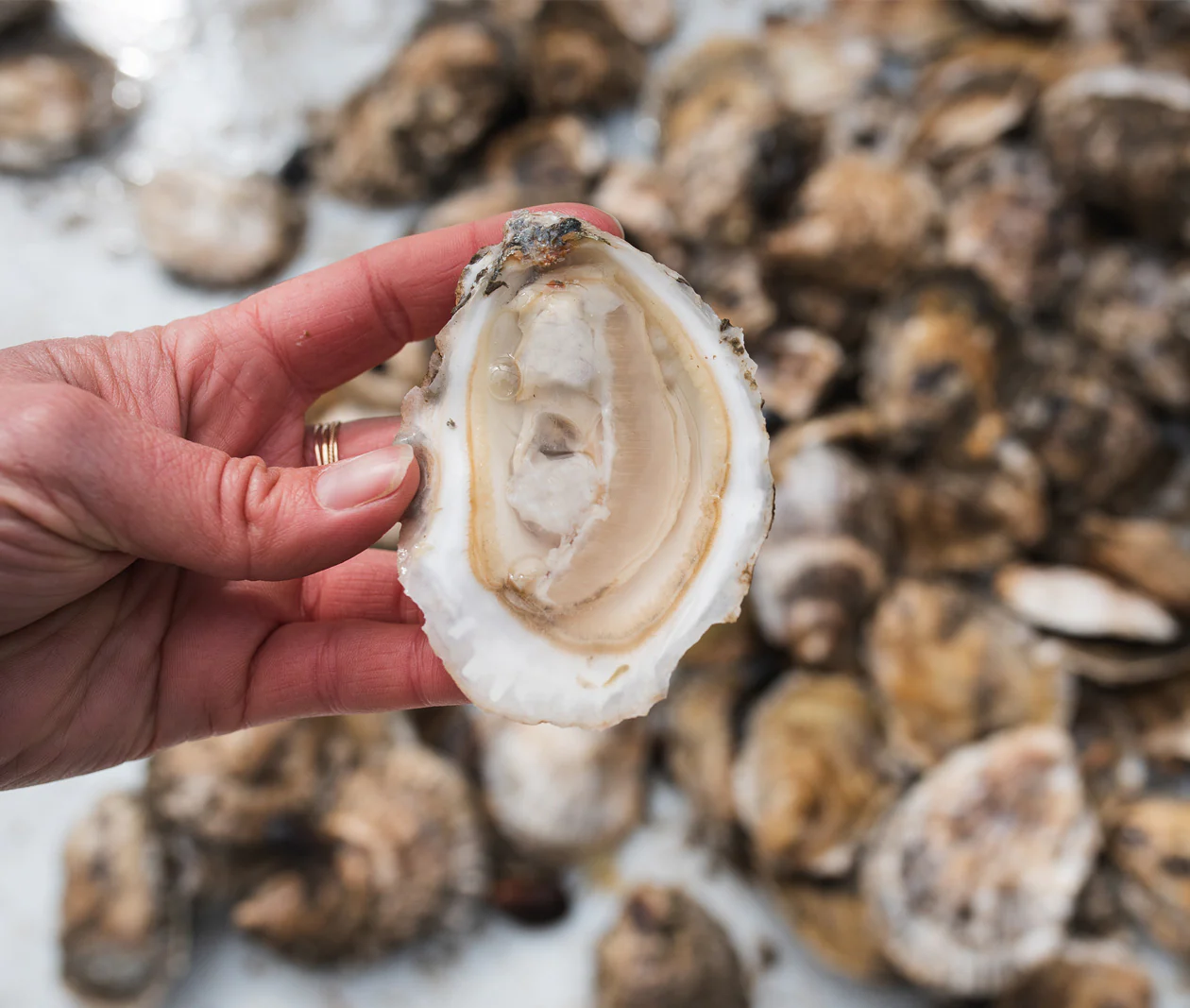
Size: 2.5”
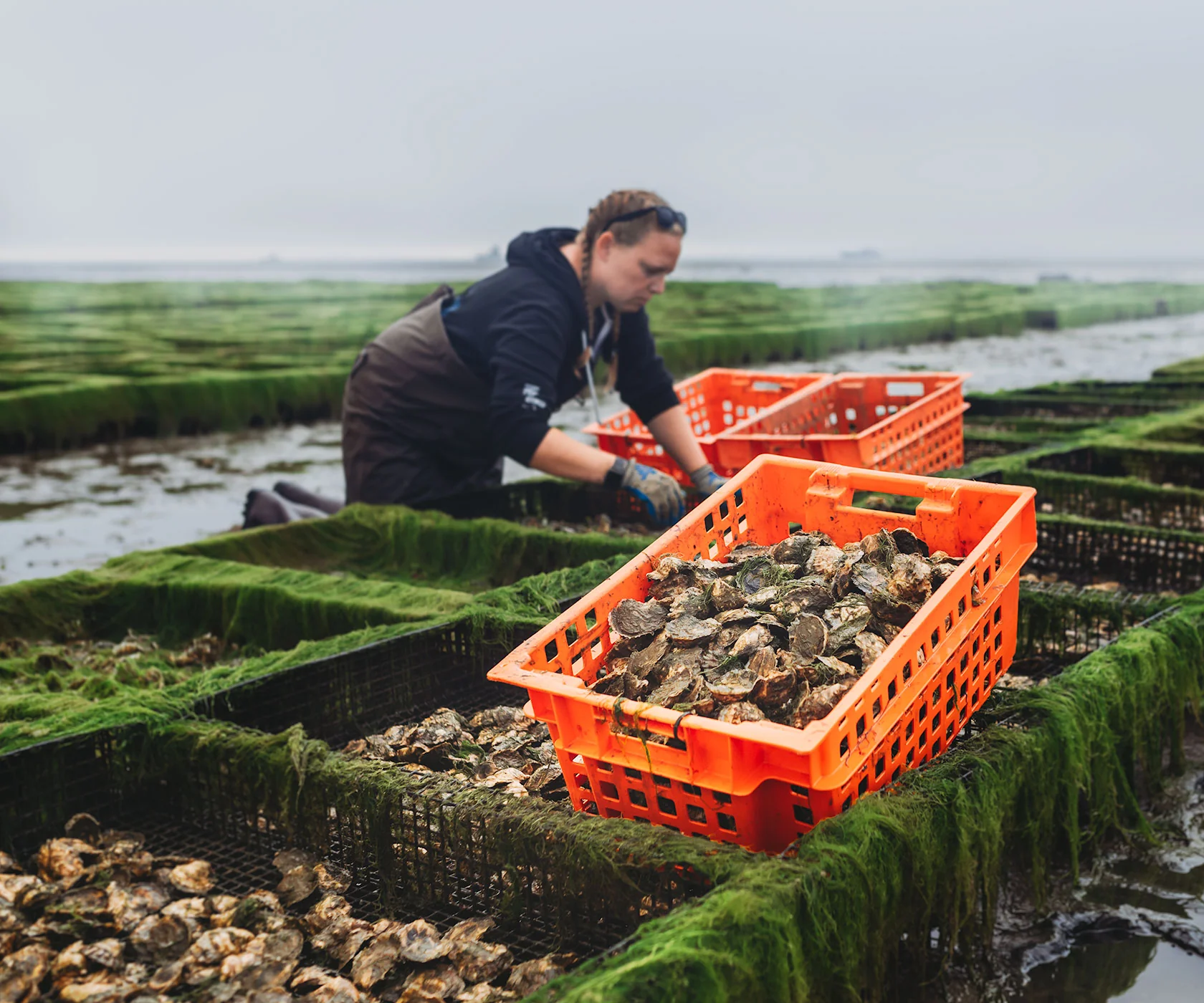
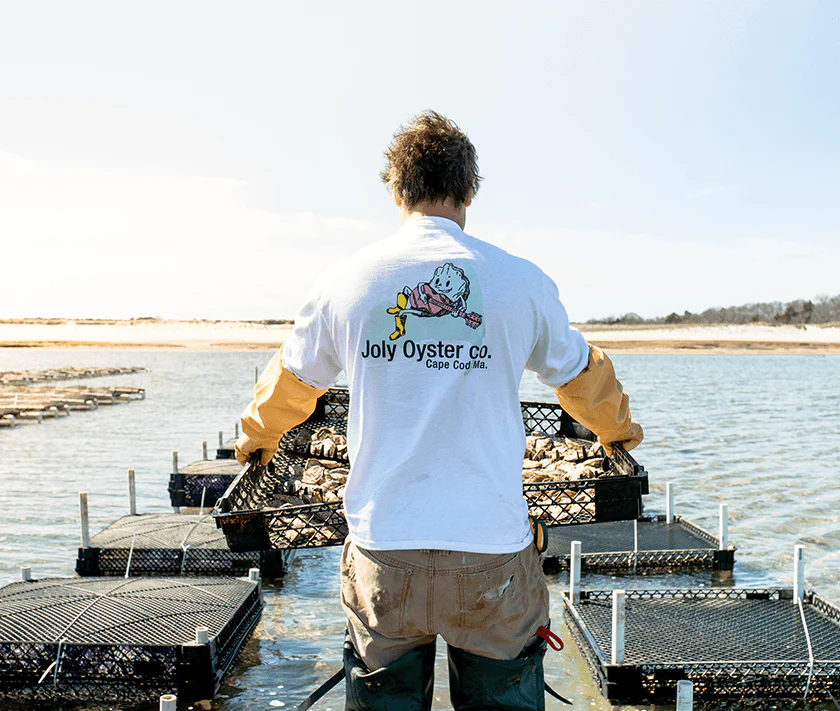
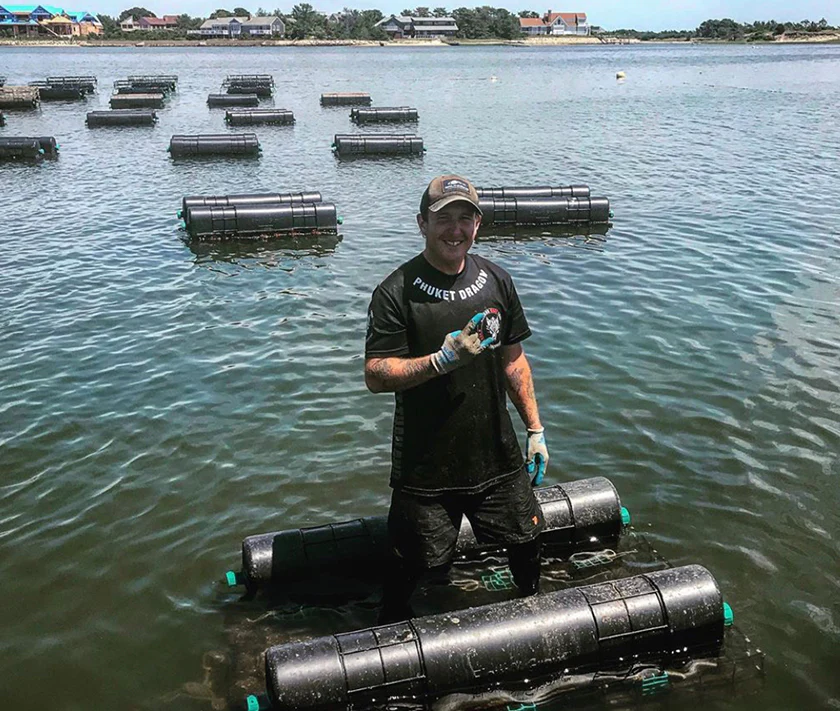
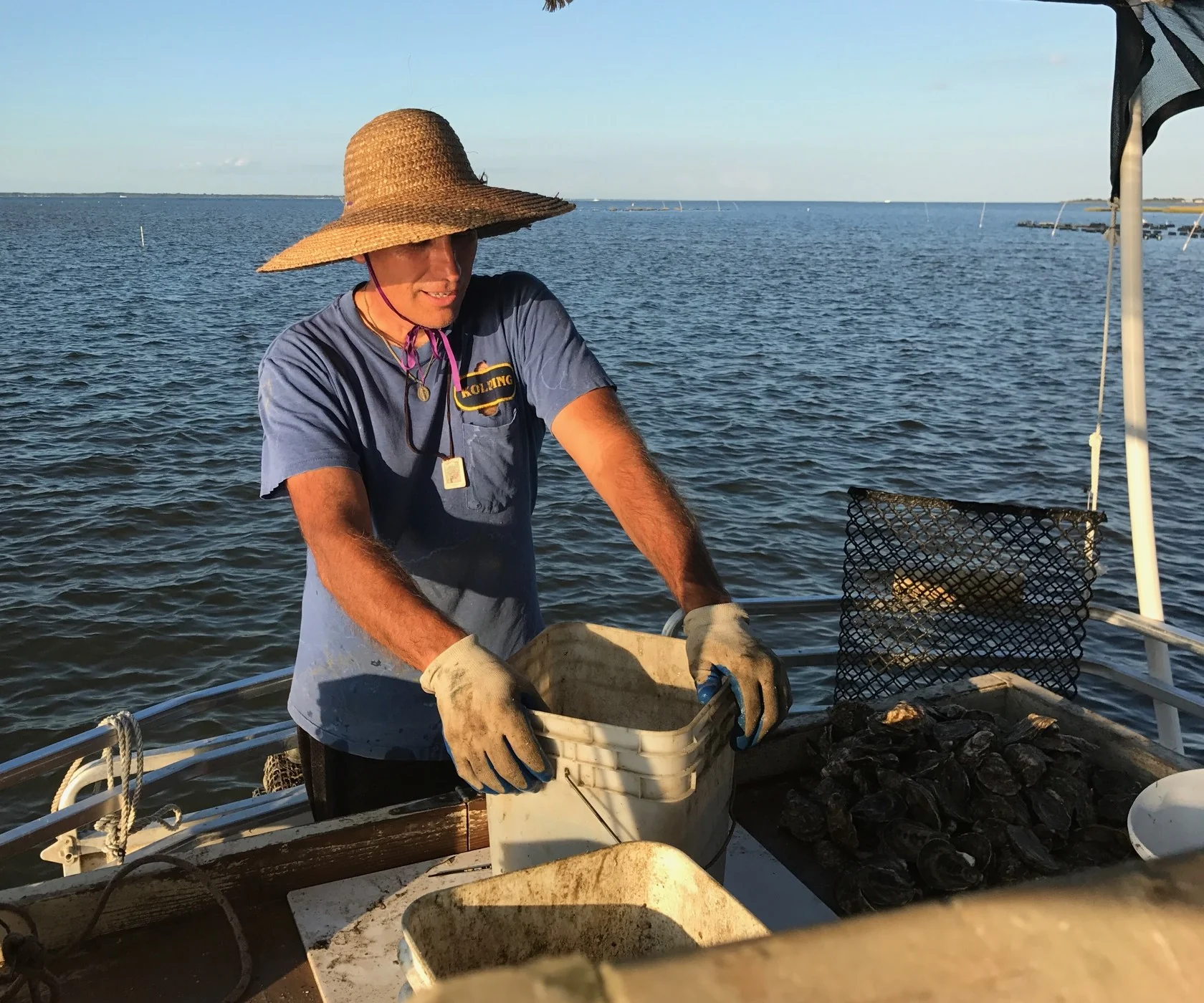
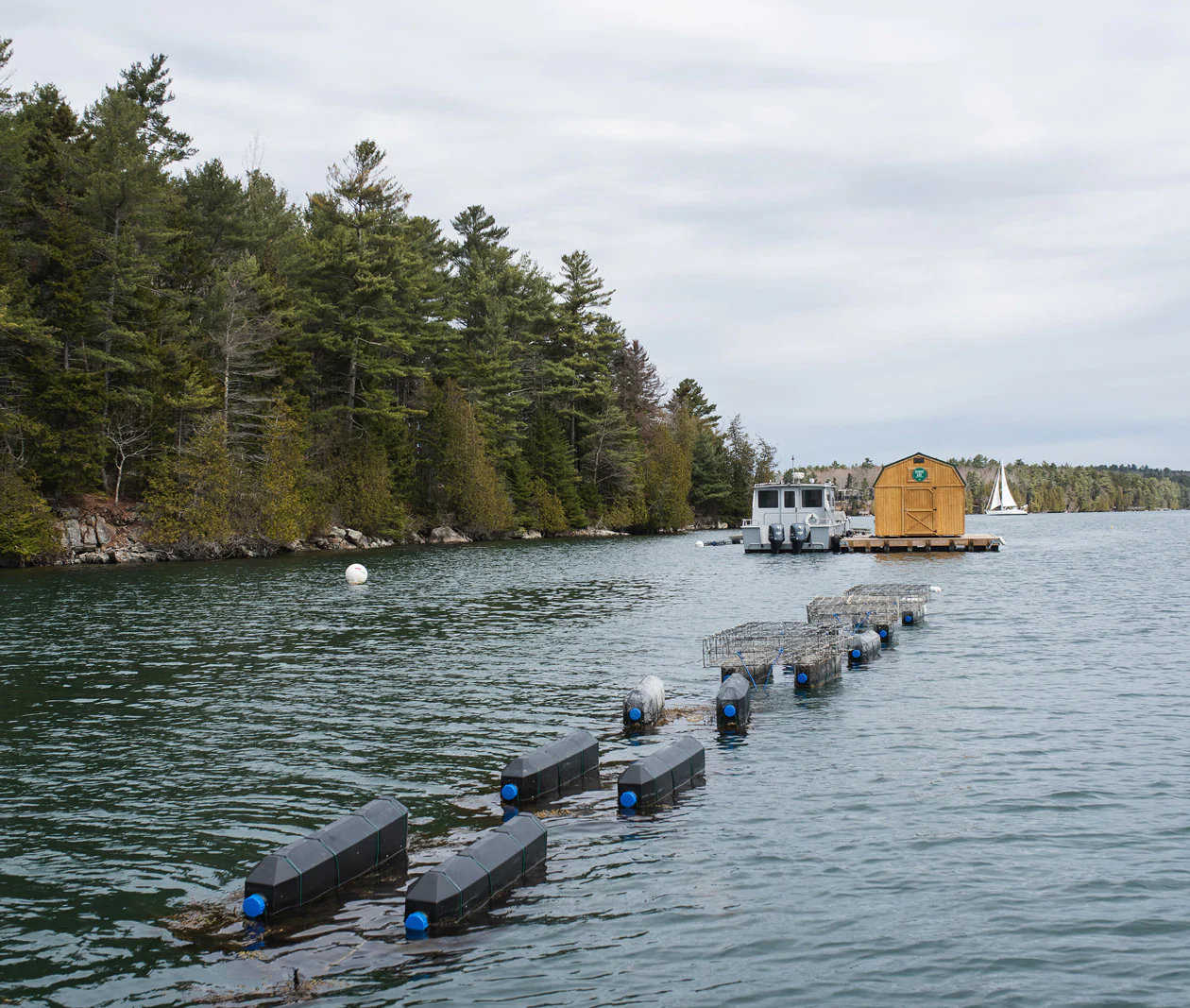
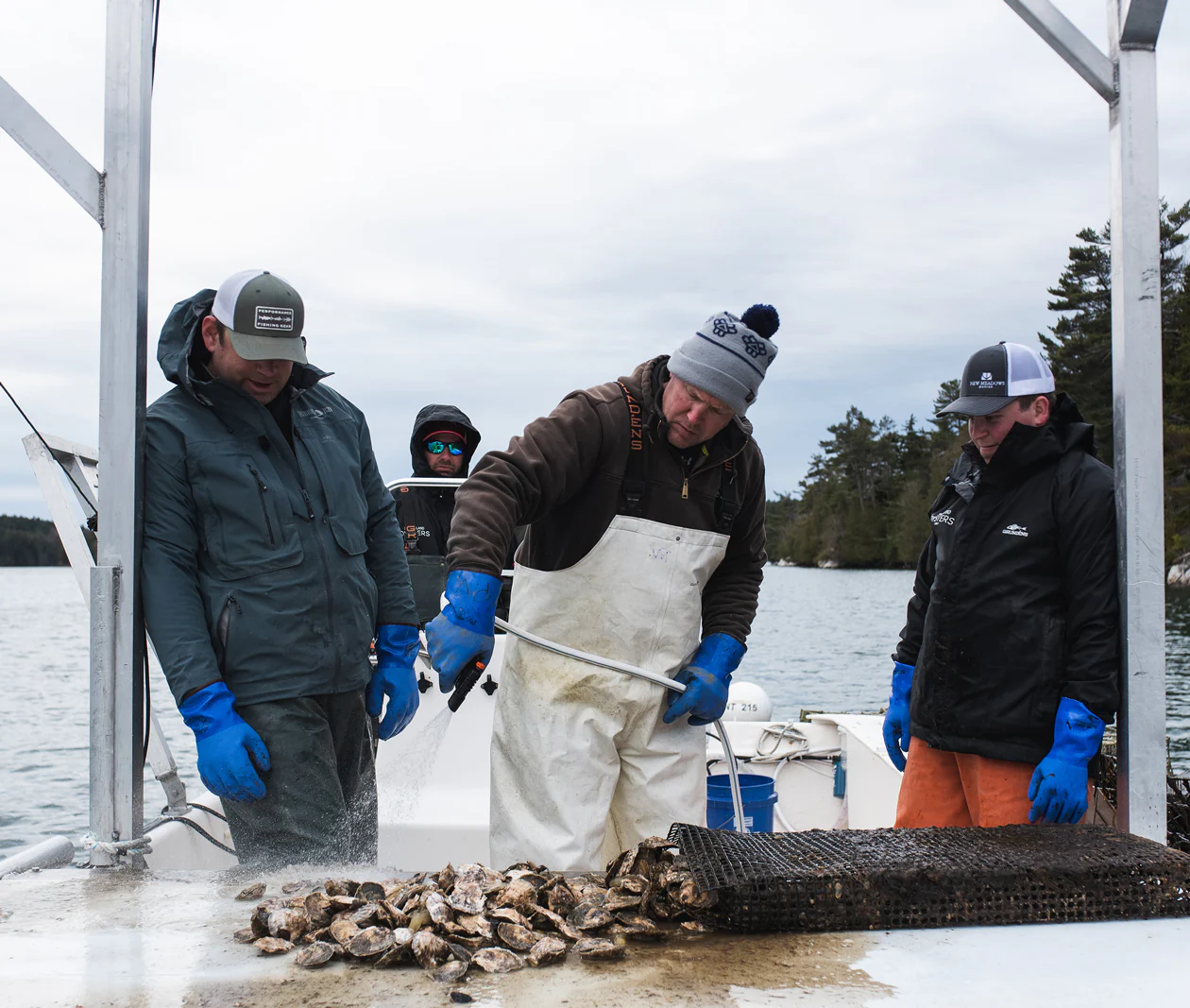
How They’re Grown: Grown in modest numbers, the Snow Islands are grown in upweller systems before being planted in floating mesh bags at about 1⁄2” in size. They will spend their lives there, floating in the clean cold water that surrounds Snow Island until being harvested after 2-3 years.
How They Taste: High salinity, with lots of grassy earthy undertones
Why They’re Unique: 100% of the proceeds from the sale of the oysters are returned to the conservatory to fund their programs to clean the Bay.
Story: The Quahog Bay Conservancy was formed in 2014 as an initiative to protect and restore the thousand acres of marine habitat that is home to all kinds of land, air and water dwelling species. Aquaculture was a natural fit for the QBC’s efforts! Oysters are filter feeders meaning they actually improve water quality throughout their lifespan. One oyster can filter up to fifty gallons of water per day---pretty impressive work!
California Prop 65 Warning
Original: $137.00
-65%$137.00
$47.95Product Information
Product Information
Shipping & Returns
Shipping & Returns
Description
Available for a limited time only.
Farmer: Quahog Bay Conservancy
Location: Quahog Bay, Harpswell, ME
Size: 2.5”
How They’re Grown: Grown in modest numbers, the Snow Islands are grown in upweller systems before being planted in floating mesh bags at about 1⁄2” in size. They will spend their lives there, floating in the clean cold water that surrounds Snow Island until being harvested after 2-3 years.
How They Taste: High salinity, with lots of grassy earthy undertones
Why They’re Unique: 100% of the proceeds from the sale of the oysters are returned to the conservatory to fund their programs to clean the Bay.
Story: The Quahog Bay Conservancy was formed in 2014 as an initiative to protect and restore the thousand acres of marine habitat that is home to all kinds of land, air and water dwelling species. Aquaculture was a natural fit for the QBC’s efforts! Oysters are filter feeders meaning they actually improve water quality throughout their lifespan. One oyster can filter up to fifty gallons of water per day---pretty impressive work!
California Prop 65 Warning